
Dental Bridge
If you have missing teeth, our dentist can close or bridge the gaps with a dental bridge. A bridge helps you to regain both the functionality and cosmetic appearance created by a missing tooth. There are several types of bridges available. Have a discussion with your dentist to determine which is best for you.
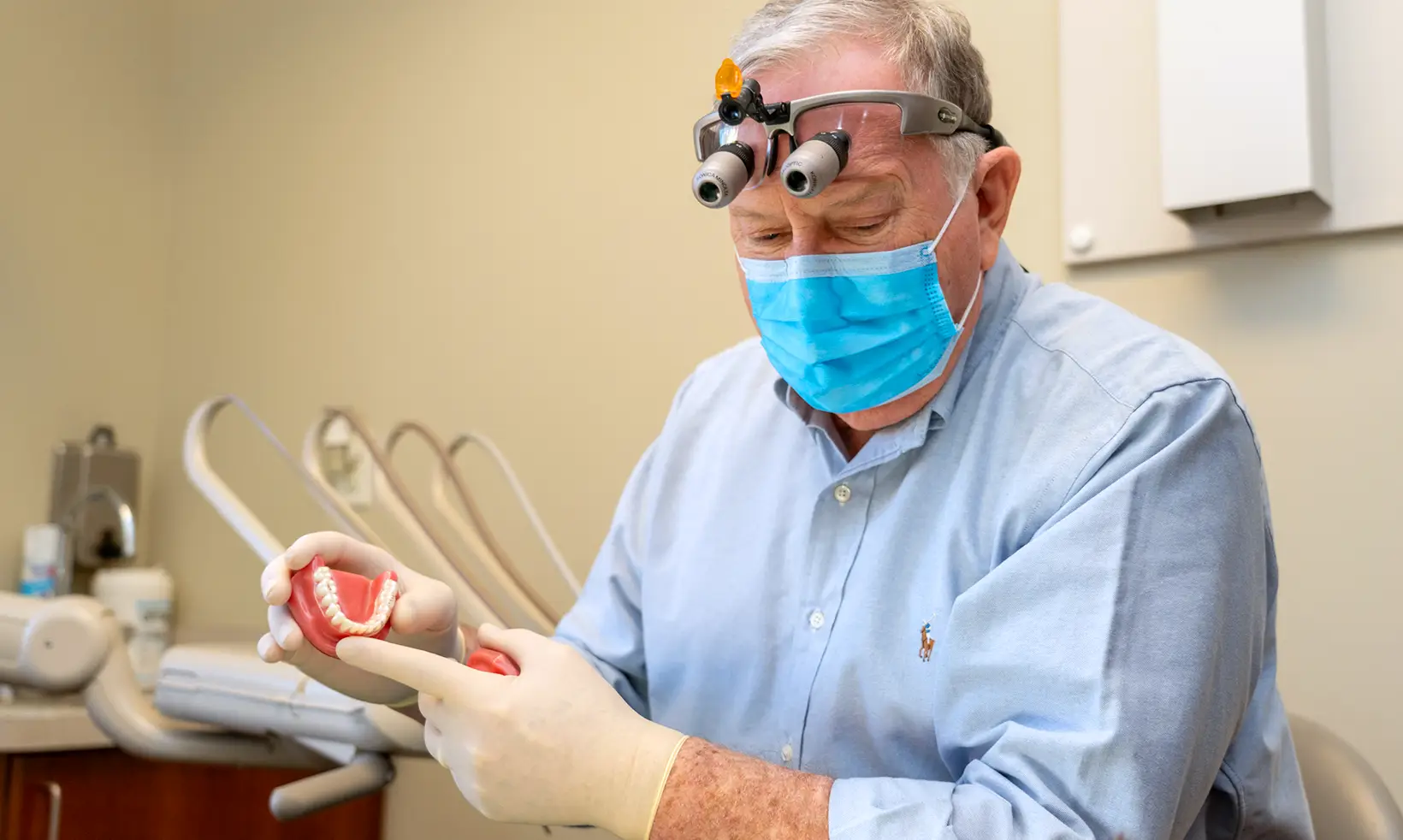

Traditional Dental Bridge
Traditional bridges are the most common and popular style of bridge. A conventional bridge consists of one or more pontics (synthetic teeth) and is fastened with dental crowns, sometimes referred to as abutments. Traditional bridges can be the solution for you when you have natural teeth on each side of the gap.
Cantilever Bridge
Cantilevers bridges are another option to replace missing teeth. It is a similar procedure to the traditional bridge, but the pontic is only supported by an abutment on one side. This can be a successful treatment plan when there is only one natural tooth next to the gap.
Maryland Bridge
A more conservative approach dental bridge. With a Maryland Bridge, the pontic is fastened in place by a metal or porcelain framework. This framework is bonded to the back of the two teeth next to the missing tooth. While less invasive than a traditional bridge, one drawback is that the bridge’s strength is limited to the strength of the bonding resin that is holding it in place.
Implant-Supported Bridges
Implant-supported bridges can be used when you have more than one missing tooth. Instead of being supported by crowns or frameworks as with traditional and Maryland bridges, these bridges utilize dental implants for their structural support. Generally, one implant is placed for each missing tooth, and the series of implants hold the bridge in place.
FAQs
A dental bridge typically lasts 10–15 years, but many can last even longer with good oral hygiene and regular dental checkups. Its lifespan depends on factors such as the health of the supporting teeth, daily oral care (brushing and flossing), diet, and habits like teeth grinding. Proper care can help your bridge stay strong and functional for many years.
Most patients experience little to no pain during the dental bridge procedure because the dentist uses local anesthesia to numb the area. You may feel some pressure while the teeth are being prepared, but not pain.
After the appointment, it’s normal to have mild soreness or sensitivity for a few days. This usually improves quickly and can be managed with over-the-counter pain relievers. If discomfort lasts longer than expected, your dentist can adjust the bridge to make sure it fits properly.
Yes—after a short adjustment period, most patients can eat normally with a dental bridge. Once you’re used to it, you should be able to enjoy your regular foods comfortably.
In the first few days, your dentist may recommend starting with softer foods while you get accustomed to the new bridge. After that, you can gradually return to your usual diet. Just keep in mind that very hard, sticky, or chewy foods can put extra stress on the bridge and may shorten its lifespan, so it’s best to enjoy those in moderation.
Good oral hygiene and routine dental checkups will help your bridge stay strong and functional while you eat.
Caring for a dental bridge is much like caring for your natural teeth, with a few extra steps:
- Brush twice daily with a fluoride toothpaste to keep the bridge and supporting teeth clean.
- Floss every day, including underneath the bridge. A floss threader or small interdental brush makes this easier.
- Use an antibacterial mouthwash to help reduce plaque around the bridge.
- Avoid very sticky or hard foods that could loosen or damage the bridge.
- Visit your dentist regularly for cleanings and checkups so they can monitor the bridge and surrounding teeth.
With consistent care, your bridge can stay strong, clean, and comfortable for many years.
“I have had to have some fairly extensive things done here and even with all of that it is truly a pleasure! Our family truly loves everyone at the office from beginning to check out!”